
Nigeria’s construction and real estate sectors are experiencing unprecedented growth, yet many property developers, facility managers, and industrial operators face a recurring challenge: finding mechanical building services that deliver both immediate functionality and long-term reliability. The problem extends beyond simple installation; it’s about integrating complex systems that must withstand Nigeria’s tropical climate, inconsistent power supply, and evolving safety regulations while maintaining operational efficiency.
The consequences of substandard mechanical installations are severe. Poorly designed HVAC systems lead to energy waste that can inflate operational costs by 40% or more. Inadequate fire safety infrastructure exposes properties to catastrophic risk and regulatory penalties. Deficient plumbing installations result in water damage, structural compromise, and health hazards. For commercial properties in Lagos and Abuja, these failures translate directly into diminished asset value, tenant dissatisfaction, and potential legal liability.
The solution lies in adopting German engineering standards combined with deep local market expertise. Nazeedes Engineering Ltd has pioneered this approach since 2001, delivering mechanical building services that integrate international best practices with Nigeria-specific requirements. From high-rise commercial developments to industrial facilities and residential complexes, the right mechanical infrastructure creates buildings that perform reliably, operate economically, and appreciate in value over decades rather than deteriorating within years.
1. Understanding Mechanical Building Services in Nigeria’s Context
Nigeria’s most successful property developments rely on sophisticated mechanical systems that function as the building’s circulatory and respiratory networks. Yet Nigerian Building Code requirements for plumbing systems, HVAC installations, and fire safety equipment remain poorly understood and inconsistently implemented across the construction industry, creating persistent quality gaps that undermine property performance. Mechanical building services encompass water supply and distribution networks, sewage treatment systems, climate control infrastructure, fire protection equipment, and electrical backup solutions.
Nazeedes Engineering Ltd addresses these complexities through a German-trained methodology that has defined the company’s reputation since its 2001 establishment. The firm deploys specialized equipment, including multilayer pipe pressing machines for leak-resistant connections, polypropylene fusion systems for durable piping, and Wöhler VIS 220 pipe blockage detection cameras that identify issues before they escalate. This technical foundation matters especially in Lagos and Abuja, where building density and regulatory scrutiny demand mechanical building services that transform potential liabilities into long-term assets.
2. HVAC Systems Nigeria: Climate-Specific Design for Energy Efficiency
Lagos experiences average January temperatures of 30°C with sustained high humidity, while Abuja sees peaks exceeding 35°C during dry seasons. The Nigeria Building Energy Efficiency Code mandates minimum Energy Efficiency Ratios of 2.8 for all air conditioning units, yet approximately 65% of installed systems fail to meet this standard, resulting in operational costs that consume 40-50% of building energy budgets while straining Nigeria’s limited power infrastructure.
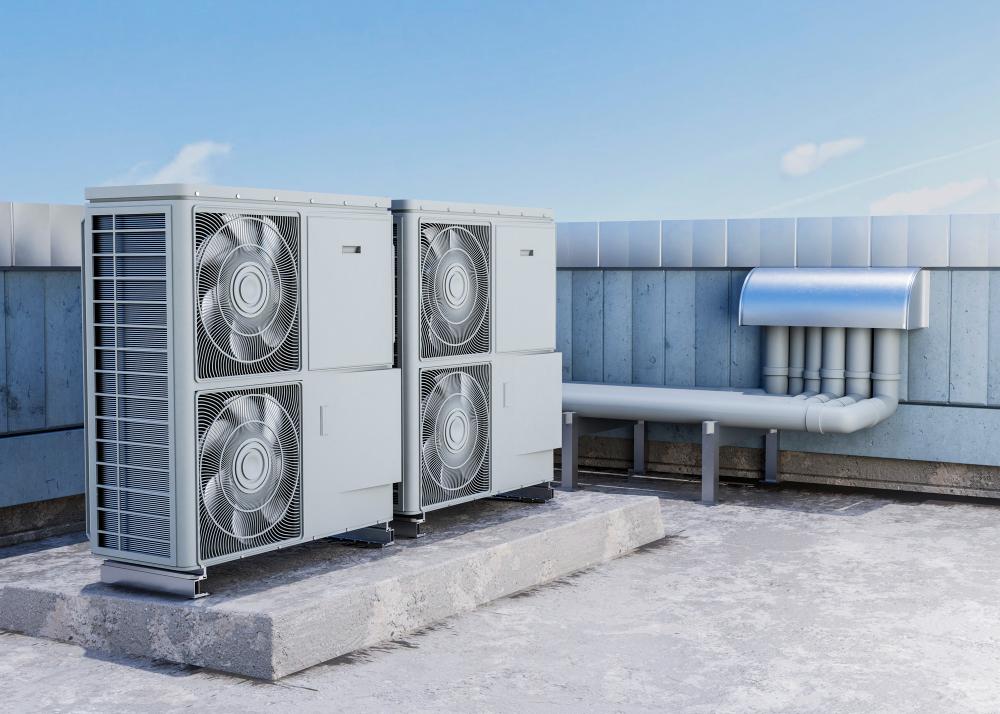
Professional mechanical building services begin with climate-specific HVAC design accounting for Nigeria’s tropical conditions. Nazeedes Engineering partners with premium manufacturers, including Carrier, Panasonic, and Fujitsu, to specify systems engineered for tropical performance. Modern inverter technology reduces energy consumption by 30-50% compared to traditional fixed-speed compressors. Proper duct sizing prevents velocity-induced noise while maintaining air distribution efficiency. For commercial developments across Lagos and industrial facilities in Abuja, these engineering considerations determine whether HVAC infrastructure delivers comfortable indoor environments economically or becomes a perpetual drain on resources.
3. Professional Plumbing Installation and Water Management Systems
Water infrastructure failures remain disturbingly common due to inadequate installation practices and material compromises. The Nigerian Building Code specifies comprehensive standards for plumbing systems, including minimum pipe sizes, pressure requirements, and backflow protection, yet enforcement remains inconsistent. The result: installations that experience premature failure, water damage, and health hazards that expose property owners to significant liability while creating tenant dissatisfaction.
Nazeedes Engineering’s approach reflects decades of German-trained expertise applied to Nigeria’s specific infrastructure conditions. The company deploys advanced multilayer pipe pressing technology that creates mechanical connections superior to traditional threading methods. Polypropylene fusion systems provide corrosion resistance essential for Nigeria’s water chemistry. Every project incorporates water treatment solutions, bathroom system consulting, and kitchen equipment integration for commercial facilities. This comprehensive methodology has enabled Nazeedes to complete projects ranging from high-rise residential complexes to commercial facilities without a single instance of project abandonment.
4. Fire Fighting Systems and Life Safety Infrastructure
Fire safety infrastructure remains critically underdeveloped across Nigeria’s built environment despite Nigerian Building Code requirements for comprehensive protection systems. National Fire Protection Association codes specify precise standards for sprinkler coverage density, hydrant positioning, and suppression system activation timing that many contractors either misunderstand or deliberately ignore to reduce costs. This negligence creates catastrophic risk exposure, particularly in Lagos and Abuja, where building density amplifies fire spread potential.
Professional fire-fighting system installation demands specialized knowledge of wet and dry riser configurations, fire hydrant hydraulic calculations, and automatic sprinkler activation mechanisms. Nazeedes Engineering provides comprehensive fire safety solutions meeting National Fire Protection Association standards while accommodating Nigeria-specific challenges, including inconsistent water pressure and power supply interruptions. Every installation incorporates redundancy measures, regular maintenance protocols, and testing procedures, ensuring operational readiness. This technical rigor transforms fire safety into genuine protection that safeguards human life, preserves asset value, and minimizes insurance costs.
5. Integrated Building Automation and Enterprise CCTV Solutions
Modern mechanical building services extend beyond traditional plumbing and HVAC to encompass integrated technology solutions that enhance security, operational efficiency, and property management capabilities essential for competing in Nigeria’s premium real estate market. Enterprise CCTV systems have evolved from simple surveillance cameras to sophisticated networks incorporating motion detection, facial recognition, and cloud-based monitoring accessible from anywhere through mobile applications. Nigerian property managers increasingly recognize that security infrastructure directly influences tenant retention and rental premium justification, particularly in Lagos’ competitive commercial real estate market, where Class A developments must demonstrate comprehensive protection measures that justify asking rates substantially above commodity office space.
Yet many installations suffer from inadequate camera positioning that leaves blind spots exploitable by sophisticated intruders, insufficient storage capacity that overwrites critical footage before incidents are discovered, and system architectures that cannot scale as security requirements evolve with building usage patterns. Network bandwidth limitations create latency that renders real-time monitoring ineffective during active security events. Poor integration between CCTV, access control, and alarm systems forces security personnel to monitor multiple disparate platforms rather than unified dashboards providing comprehensive situational awareness across entire facilities or multi-building portfolios.
Nazeedes Engineering maintains relationships with leading security equipment manufacturers, including Hikvision, Honeywell, and QVIS, to design CCTV solutions tailored to specific property requirements and threat profiles identified through comprehensive security assessments. Integration extends beyond cameras to include access control systems managing entry points, perimeter detection identifying intrusion attempts before breaches occur, and centralized monitoring platforms providing facility managers with real-time visibility across entire portfolios from single control rooms or remote locations. This technological capability pairs naturally with building automation systems, optimizing HVAC operation, lighting control, and energy management through intelligent sensors and programmable logic controllers that reduce operational costs while improving environmental conditions. For industrial facilities and commercial developments throughout Lagos and Abuja, these integrated solutions create quantifiable value, justifying premium positioning in Nigeria’s evolving real estate marketplace, where operational excellence increasingly differentiates successful properties from underperforming assets struggling with tenant retention and competitive positioning against newer developments.
6. Solar Power Integration and Energy Independence Solutions
Nigeria’s persistent electricity challenges have elevated inverter and solar installation from a luxury amenity to an operational necessity for serious commercial and residential developments. Power interruptions averaging several hours daily across Lagos and Abuja force facilities to rely on diesel generators that inflate operational costs while creating environmental liabilities and noise pollution affecting tenant satisfaction. Generator fuel expenses can exceed ₦500,000 monthly for medium-sized commercial buildings, consuming cash flow that could otherwise contribute to investor returns or property improvements. This dependency on fossil fuel backup power also exposes properties to price volatility and supply disruptions that threaten continuous operations.
Solar photovoltaic systems combined with battery storage and intelligent inverter technology provide sustainable alternatives that reduce grid dependence, eliminate generator fuel expenses, and position properties as environmentally responsible assets appealing to quality-conscious tenants increasingly prioritizing sustainability in location decisions. The Nigeria Building Energy Efficiency Code increasingly emphasizes renewable energy integration, making solar readiness not just desirable but expected in premium developments competing for multinational corporate tenants with environmental, social, and governance commitments requiring demonstration of measurable sustainability performance across their real estate portfolios.
Nazeedes Engineering has completed over 100 solar electric system installations, applying rigorous engineering methodology to every project from preliminary design through final inspection and grid interconnection. The firm’s qualified engineers perform detailed energy audits, load profiling, and system sizing calculations, ensuring installed capacity matches actual consumption patterns while accommodating future expansion as building usage intensifies. Every photovoltaic installation incorporates premium inverter technology, optimized panel orientation for Nigeria’s solar irradiance patterns, and safety systems protecting both equipment and personnel from electrical hazards. For property owners throughout Lagos, Abuja, and other Nigerian cities, these installations deliver immediate operational savings while increasing asset value through reduced energy costs and enhanced environmental credentials. The investment economics prove compelling: properly designed solar systems achieve payback periods of 4-7 years while providing decades of reliable electricity generation that insulates properties from grid instability and escalating utility tariffs eroding profitability across Nigeria’s commercial real estate sector as demand growth outpaces infrastructure investment.
7. Maintenance Strategies and Long-Term Performance Optimization
Even perfectly installed mechanical building services require systematic maintenance protocols to sustain performance and prevent premature failure that transforms initial quality into deteriorating reliability over time. The Nigerian Building Code includes specific requirements for ongoing inspection, repair, and preventative maintenance activities, yet many property managers neglect these responsibilities until catastrophic failures force expensive emergency interventions, disrupting operations and damaging tenant relationships. Regular HVAC filter replacement, refrigerant level monitoring, and compressor inspection prevent efficiency degradation that can increase energy costs by 20-30% annually while reducing equipment lifespan by years.
Plumbing systems require periodic pressure testing, valve inspection, and drainage line cleaning to maintain flow capacity and prevent blockages causing water damage that triggers insurance claims and tenant disputes. Fire protection systems demand quarterly testing of sprinkler activation mechanisms, annual hydrant flow verification, and continuous monitoring of alarm communication systems, ensuring life safety readiness rather than false confidence in equipment that fails when needed most. Generator maintenance, including oil changes, fuel system cleaning, and load bank testing, ensures backup power reliability during grid outages. Solar system performance monitoring identifies underperforming panels and inverter issues before they significantly reduce electricity generation.
Nazeedes Engineering provides comprehensive maintenance services extending beyond initial installation to protect client investments and ensure regulatory compliance throughout building lifecycles. The company’s maintenance division performs routine preventative service, emergency repairs, and system optimization for construction project end users and commercial facility portfolios. This ongoing relationship enables early detection of potential failures before they escalate into costly emergencies while maintaining detailed service records demonstrating code compliance during regulatory inspections. For property managers overseeing multiple facilities, partnering with a mechanical building services contractor capable of delivering both installation excellence and reliable ongoing support eliminates coordination complexity and quality inconsistency inherent in managing multiple specialized vendors. The result: mechanical infrastructure performing as designed year after year, sustaining property value and tenant satisfaction while minimizing total cost of ownership across building lifecycles extending decades into Nigeria’s dynamic real estate future, shaped by continued urbanization, economic growth, and rising quality expectations from sophisticated tenants comparing properties across increasingly competitive markets throughout Lagos, Abuja, and other major Nigerian cities.
Frequently Asked Questions
- How long does a typical mechanical building services installation take?
Installation timelines vary significantly based on project scope and building size. A comprehensive mechanical systems installation for a medium-sized commercial building typically requires 8-16 weeks from mobilization through testing and commissioning. Residential projects may complete faster, while large industrial facilities can extend to several months. Nazeedes Engineering provides detailed project schedules during the design phase, accounting for equipment procurement, site conditions, and coordination with other construction activities to ensure realistic timelines that avoid delays affecting building handover dates.
- What certifications should I look for in a mechanical building services contractor?
Professional contractors should demonstrate registration with the Council for the Regulation of Engineering in Nigeria (COREN), compliance with Nigerian Building Code requirements, and relevant international certifications for specialized systems like fire protection equipment. Experience with German engineering standards provides additional quality assurance, as does membership in professional organizations and documented project portfolios showcasing completed installations across various building types. Nazeedes Engineering’s German-trained background and 20+ years of successful project delivery reflect the expertise necessary for complex mechanical installations requiring precision and technical knowledge.
- How can I optimize energy costs in my building’s mechanical systems?
Energy optimization begins with proper system design, including accurate load calculations, appropriate equipment sizing, and efficient distribution networks. Regular maintenance prevents performance degradation that increases consumption. Building automation systems optimize operation schedules, matching actual usage patterns rather than continuous full-capacity operation. Solar integration reduces grid dependence and eliminates generator fuel costs. Energy audits identify specific improvement opportunities with quantified savings potential. Nazeedes Engineering provides comprehensive energy management strategies tailored to your building’s specific usage profile, delivering measurable cost reductions while maintaining optimal comfort and functionality.
- Are German engineering standards necessary for projects in Nigeria?
While Nigerian Building Code compliance is legally required, German engineering standards provide additional quality assurance and precision that significantly improve long-term performance and reliability. These standards emphasize rigorous design methodology, premium materials, and meticulous installation practices that prevent the common failures plaguing hastily completed projects using substandard approaches. For properties targeting premium tenants, international financing, or long-term value appreciation, German engineering standards deliver competitive advantages through superior operational performance, reduced maintenance costs, and enhanced reputation. Nazeedes Engineering’s German-trained expertise has proven essential for clients requiring installations that perform flawlessly under Nigeria’s demanding conditions while meeting international quality expectations.
Conclusion
Strategic mechanical building services represent essential infrastructure investments for any Nigerian property development aiming to achieve operational excellence, long-term reliability, and competitive market positioning. By implementing German engineering standards, climate-specific HVAC design, professional plumbing systems, comprehensive fire safety infrastructure, integrated building automation, solar power solutions, and systematic maintenance protocols, property owners create buildings that perform reliably while delivering measurable value through reduced operating costs, enhanced tenant satisfaction, and sustained asset appreciation throughout building lifecycles extending decades into Nigeria’s dynamic real estate future.
Ready to elevate your property’s mechanical infrastructure? Contact Nazeedes Engineering Ltd today to discuss how our German-trained expertise, comprehensive service portfolio, and proven track record of installation excellence can transform your development into a benchmark for operational performance and long-term value creation in Nigeria’s evolving construction marketplace.